Detroit Beat in 2026
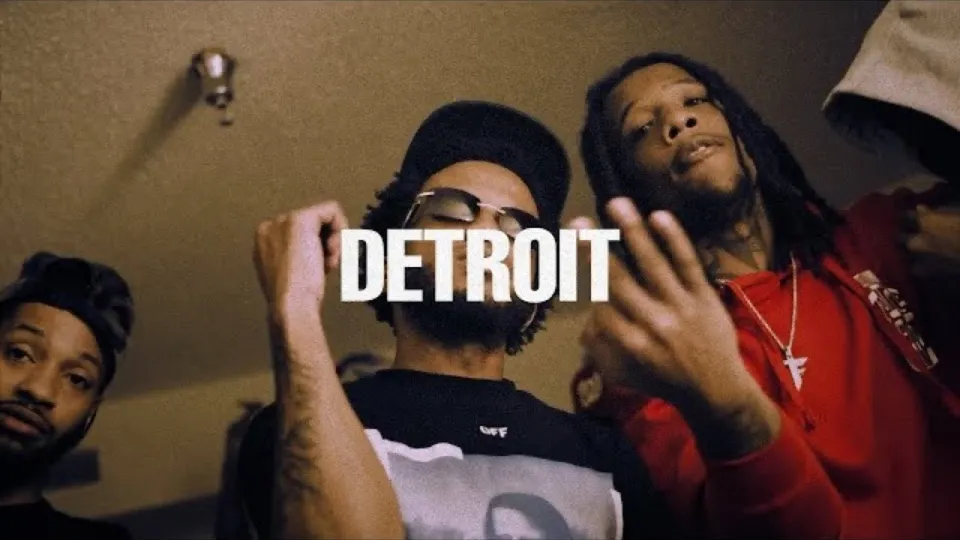
Video: [FREE] Detroit Type Beat - "Trenches"
Want articles like this for your own video to promote it on YouTube and Google? Order them through the Telegram bot @sat_sit_bot. It writes articles around your video, embeds the video and publishes them on popular niche websites (no ads). Your first 50 articles are free.
· based on the channel Damerunitup
Key takeaways
- Detroit beats are typically 130–150 BPM with minor-key piano, dark 808s, and aggressive hi-hats.
- Damerunitup's "Trenches" is a free Detroit type beat published on 18 May 2022; a paid license is required for Spotify and Apple Music uploads.
- Buy-one-get-one-free offer on the beat store link https://bsta.rs/57l1i.
- Many listeners slow the beat to 0.75x or 0.5x for a heavier, darker feel.
- Unlicensed uploads on streaming platforms are subject to copyright claims.
A Detroit beat is a hard, minor-key instrumental built for street-level rap: usually 130–150 BPM, dark piano or synth loops, punchy 808s, and fast hi-hat patterns. The "Trenches" type beat by producer Damerunitup is a free example of that style, and if you want to use it commercially you can buy the license at Buy This Beat (Buy 1 Get 1 FREE).
What Makes a Detroit Beat Different From Other Type Beats
A Detroit beat sits between trap and drill, but it has its own character. The tempo usually lands between 130 and 150 BPM, and the drums lean on a syncopated kick pattern with 808 slides that hit hard on a phone speaker. Melodically, you hear minor-key piano, eerie bells, or a filtered vocal sample — something cold and repetitive that leaves room for an aggressive flow.
Compared with a standard trap beat, a Detroit instrumental often feels more spacious and more menacing. Compared with UK drill, it usually has fewer sliding 808s and more straightforward, punchy drum programming. Producers from the city and outside it have pushed the sound since the early 2010s, and by the time "Trenches" was published on 18 May 2022, the tag "Detroit type beat" was already a search category of its own.
Inside "Trenches": Tempo, Mood, and the RDCWORLD Effect
"Trenches" is a free Detroit type beat uploaded by the channel Damerunitup. The title alone signals the mood: dark, street-oriented, built for a rapper who wants to sound like they are coming out of a difficult environment. The instrumental uses the hallmarks of the subgenre — a minor-key melodic loop, heavy low end, and hi-hats that push the energy forward without cluttering the mix.
One notable detail from the comment section is how many listeners mention slowing the beat down. Several comments point to 0.75x speed, and one mentions 0.5x, which suggests the beat works both at its original tempo and at a slower, heavier setting. Another comment credits RDCWORLD for putting the listener onto the beat, which is a common path for type beats: a viral video or a cover of a track sends people searching for the original instrumental.
How to License a Free Detroit Type Beat Without Getting a Copyright Strike
A free download is not the same as a free license. The description of "Trenches" states clearly that you need to purchase a license if you want to upload your song to Spotify and Apple Music, and that songs without a license will be hit with copyright. Here is the practical order of operations:
- Listen to the beat and write your song first, so you know the mood and tempo you are working with.
- Go to the beat store link in the description — for "Trenches" that is https://bsta.rs/57l1i — and choose the license tier that matches your release plan (streaming, monetized video, or limited distribution).
- Complete the purchase and keep the receipt and license file. You will need them if a distributor or a platform asks for proof.
- Upload your song to Spotify, Apple Music, or YouTube with the license on file.
The buy-one-get-one-free offer mentioned in the video description means that when you buy one beat, you can get a second one at no extra cost. That is useful if you are planning a short EP or a two-track release and want a consistent sound.
Common Questions Rappers Ask Before Rapping on a Detroit Beat
The comments on "Trenches" show the real concerns people have before they record. One recurring theme is the speed: listeners slow the beat down to 0.75x or 0.5x because the original tempo feels too fast for their flow, and that is a valid production choice, not a mistake. Another theme is how hard the beat hits — several comments describe wanting to go "crazy" on it, which usually means the instrumental has enough space for aggressive delivery.
There is also a licensing question hiding in plain sight. Some listeners say they bought the beat and now own the rights to it, while others just enjoy it as a free download. The difference matters: a free download lets you practice or post a snippet, but a paid license is what allows you to distribute the song commercially. If you are unsure which tier you need, start with the smallest license that covers streaming, then upgrade later if the song performs.
Detroit Beat Checklist for Producers and Artists in 2026
If you are producing a Detroit beat or looking for one to rap on in 2026, use this checklist to judge whether an instrumental fits the style:
- Tempo between 130 and 150 BPM, with room to slow down to 0.75x.
- Minor-key melody — piano, bells, or a dark synth loop.
- 808s with slides and a kick pattern that leaves pockets for the vocal.
- Hi-hats that are busy but not so busy that they fight the rapper's cadence.
- A mix where the low end translates on both headphones and phone speakers.
"Trenches" checks most of these boxes, which is why it works as a free entry point into the subgenre. If you want more in the same vein, the producer's catalog at https://damerunitup.com/ is the next place to look, and the Instagram account https://www.instagram.com/damerunitup/ is where new beats and updates usually appear first.
Useful Links
- Buy "Trenches" and get a second beat free: https://bsta.rs/57l1i
- Beat store and catalog: https://damerunitup.com/
- Instagram: https://www.instagram.com/damerunitup/
- Email contact: Dame@damerunitup.com
Final Thoughts on the Detroit Beat and the Trenches Type Sound
A Detroit beat is defined by tempo, mood, and drum placement more than by any single sound, and "Trenches" is a clean example of the hard, minor-key style that artists search for under that name. If you download it for free, treat it as a demo tool; if you plan to release the song, buy the license first so your distributor does not flag the upload. The buy-one-get-one-free option at https://bsta.rs/57l1i makes it cheaper to build a small project around the same sound. Damerunitup is the channel behind this beat and the best place to follow for more instrumentals in the same lane. Whether you slow it to 0.75x or keep the original tempo, the point is to match the beat to your delivery, not the other way around.
Source: [FREE] Detroit Type Beat - "Trenches" · Markdown version
Questions & answers
Can I use a free Detroit type beat on Spotify without paying?
No. A free download usually covers practice or non-commercial use only. To upload a song to Spotify or Apple Music, you need a purchased license, and the description of "Trenches" explicitly warns that unlicensed songs will receive copyright claims.
Why do people slow down Detroit beats to 0.75x or 0.5x?
Slowing the beat lowers the tempo and makes the 808s and drums feel heavier, which suits a slower, more menacing flow. Commenters on "Trenches" mention both 0.75x and 0.5x, so it is a common creative choice rather than a technical problem.
What BPM and key should I expect from a hard Detroit type beat?
Most Detroit beats sit between 130 and 150 BPM and use a minor key. The melody is usually a dark piano, bell, or synth loop, with punchy 808s and fast hi-hats. "Trenches" follows that formula.
What does the buy-one-get-one-free offer mean for this beat?
It means that when you purchase a license for "Trenches" through the beat store link, you can get a second beat at no additional cost. That is useful if you are planning a short release and want a consistent sound across multiple tracks.